
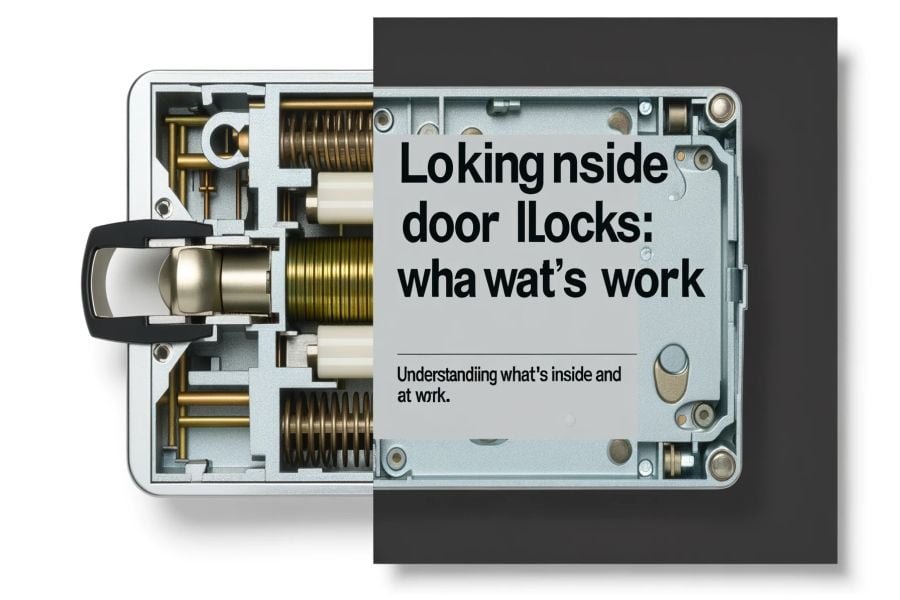
We take door locks for granted, using them countless times a day without much thought. But have you ever wondered about the ingenious internal mechanisms that allow these devices to keep our homes and belongings secure? This guide will provide an in-depth look at the components, functions, and step-by-step processes that make door locks operate.
The Importance of Understanding Door Locks
Before diving into the nitty-gritty details, it’s worth discussing why taking the time to learn about locks is advantageous in the first place:
- Enhanced Security – When you understand the vulnerabilities of your door locks, you can take proper precautions to reinforce these weak points through additional hardware or vigilant monitoring.
- Early Malfunction Detection – Familiarity with the intricate inner workings of locks allows you to more readily identify when a component is damaged or needs replacement.
- Informed Purchasing Decisions – Knowledge of lock technology empowers you to select the best system to suit your unique needs and priorities when it comes time for an upgrade.
In short, comprehension of lock mechanics is closely intertwined with keeping our spaces secure. Even a basic grasp can prevent many attempted break-ins or system failures down the road.
A Brief History of Door Locks
Before breaking down modern lock components and functions, it’s fascinating to understand how these clever devices have evolved over human history.
The Primitive Beginnings
The earliest known locks date back over four thousand years to Ancient Egypt and Mesopotamia, where large wooden beam locking systems were used to secure doors. These rudimentary contraptions engaged the beam between the door and door frame or ground, requiring it to be manually lifted free whenever entry or exit was needed.
The Arrival of the Pin Tumbler
While waist-high beam locks sufficed for centuries, smaller, more sophisticated locking mechanisms began emerging around 4,000 years ago in Ancient China, Egypt, and the Roman Empire domains. Most significantly, the original pin tumbler lock emerged during this era, revolutionizing lock design with its user-customizable key concept. This allowed access for authorized key holders, while keeping all others locked outside.
Rising Popularity of Metal Locks
Over the subsequent centuries, locks evolved from wooden contraptions to metal mechanisms as blacksmithing skills advanced during Medieval times. The mid-1800s brought another leap forward with master locksmith Linus Yale Jr.’s pioneering work on cylinder locks. His newfangled systems with corresponding flat keys became a massive success.
Within just decades, cylinder pin and tumbler locks had largely replaced outdated sliding bolt and warded locks around the industrializing world. Scooping up Yale’s design insights, many lock manufacturers opened shop specializing in metal key-in-knob locks throughout the early 1900s.
Emergence of High Security and Smart Locks
More recently from the 1960s forward, significant improvements in lock picking resistance gave rise to high security locks. Premium brands like Medeco, Assa, Mul-t-lock, and Schlage Primus emerged, integrating special side pins, rotating discs, and strict key control.
Cutting further against the grain of traditional locks, electronic smart locks also arrived on the scene in the 1970s. Initially adopted mainly for hotels, airports, and commercial office spaces using key cards, wireless and app-enabled smart locks are also grabbing consumer interest today.
And this evolution is sure to continue branching into more integrated and intelligent designs as home automation booms!
Now that we’ve traced the fascinating history of lock advancements over time, let’s break down what makes them function properly.
Key Components of a Door Lock
While many may look like black boxes of trickery from the outside, the interior of a lock generally contains the following main parts working in clever synchrony:
The Cylinder
- Outer casing that houses the lock’s inner components
- Contains keyhole to insert key for operating the lock
- Often constructed of durable brass or steel
The Plug
- Rotating cylinder shaped piece with a keyway carved out
- Spins within the lock cylinder when the key is turned
Pin Tumblers and Springs
- Small metal pins of varying lengths that obstruct the plug’s movement
- Tiny corresponding springs apply constant pressure on the pins
- Specific key cuts push the pins just enough to align with the cylinder edge
The Latch Bolt
- Locking mechanism that slides out of the door edge to engage the strike plate
- Retracts into the door edge when the plug turns, disengaging the lock
The Strike Plate
- Square metal plate mounted on door frame that the latch bolt engages with
- Also called the strike box, it has a carved out hole to receive the latch bolt
Now that the key working parts are laid out, we still need to distinguish between common lock types before explaining operations step-by-step.
Different Types of Door Locks
While individual component names and arrangements may vary slightly, most household door locks fall under one of these fundamental categories:
Pin and Tumbler Locks
The most ubiquitous modern lock, these contain small paired upper and lower pin stacks of varying sizes inside the cylinder. Specific key cuts align these pins, allowing the turning plug to release the latch bolt. Well-known versions of this lock type include the Kwikset SmartKey.
Wafer Locks
Despite their namesake wafers, these lightweight locks operate on a concept similar to pin and tumbler versions. But with wafer locks, smaller flat wafers take the place of pin stacks to obstruct the plug’s rotation until aligned by the proper key. Wafer locks are often found in modern cabinet doors and mailboxes.
Warded Locks
The original metal lock type preceding pin and tumbler locks, these function via internal wards, which are projections obstructing the key channel to block improper keys. While their outdated technology leaves them vulnerable to picking, decorative warded locks are still used for tradition in some niche applications.
Disc Detainer Locks
Instead of traditional pins, these high-security locks contain stacks of spring-loaded metal discs with central locking tabs. When aligned by the matching key, openings on the discs allow the plug to turn and disengage the lock. Commercial, government, and banking institutions often rely on disk detainer locks for enhanced protection.
Now let’s examine the step-by-step process of achieving lock engagement.
How a Door Lock Works: Locking Step by Step
Common household pin and tumbler locks secure entry doors across suburban neighborhoods worldwide. But how do these ubiquitous devices actually function to deter intruders with such clever efficacy? Let’s break it down step-by-step:
Step 1: Insert the Key
It all begins with the matching key insertion. Form-fitted to operate its designated lock, the key’s ridged stem must align perfectly with the internal keyway channels inside the lock cylinder for operation.
Any deviation, even by fractions of an inch, will obstruct the key from fully seating and turning the internal plug. This tight tolerance helps keep the wrong keys and lock picking tools at bay.
Step 2: Turn the Key
Upon full insertion, gently rotate the key clockwise while applying light pressure. Thistorque turns an inner cylinder called the plug housed inside the larger lock cylinder mechanism.
Step 3: Retract the Bolt
As the final step, turning the keyed plug ultimately slides back the spring-loaded latch bolt assembly inside the door edge, disengaging its hold on the strike plate. This action retracts the door bolt, enabling it to swing freely upon handle turning.
Voila! In a matter of seconds, a layer of mechanical security keeping your home safe and belongings secure hangs in the balance. Now the locking action seems simple enough on the surface, but it further begs the question…
So What’s Happening Inside My Lock?
There’s intricately more transpiring within your lock’s inner sanctum! Let’s shed light on the hidden movements:
As the key begins rotating, its unique cut ridges nudge upward on tightly packed metal pin stacks filling the shear line running between the plug and external cylinder shell.
Springs below these pins apply constant downward tension trying to misalign the plug and cylinder boundary. But when the proper key lifts the pin stack heights just enough to create shear line gaps, the formerly obstructed plug can freely spin.
This well-timed opening allows a tailpiece on the cylinder plug to then retract connected levers and crank arms. In turn, these components ultimately draw back the spring-loaded latch bolt from the strike plate cutout, disengaging the locked connection.
It’s pure mechanical poetry in motion!
Now that we’ve demystified the standard pin tumbler lock operation, let’s survey specialty lock types securing today’s homes and businesses.
Types of Door Locks Securing Modern Spaces
While traditional pin and tumbler locks prevail at most households, electronic smart locks and obscure high-security locks also serve important contemporary niches:
Mechanical Lock Types
Pin and Tumbler Locks
- Most common lock using misaligned pin stacks and springs
- Entry door locks, padlocks, cabinet locks
Wafer Locks
- Lighter weight with flat wafers instead of pins
- Sometimes used in modern doors and mailboxes
Warded Locks
- Obsolete design with internal wards blocking improper keys
- Still seen decoratively in antique furniture
Disc Detainer Locks
- High-security model using spring-loaded slotted discs
- Government, commercial, and bank vaults
Electronic Smart Lock Types
Keypad Locks
- Punch key code digits to lock and unlock
- No physical key needed
Key Fob Locks
- Lock disengages on proximity to wireless key fob signal
- No physical contact needed
Smartphone Locks
- Bluetooth app connectivity locks/unlocks via smartphone
- Dynamic user access controls and notifications
As smart locks become further interwoven into home automation environments, convenience and customization will continue improving!
But for all their advanced functionality, no lock design is impervious. Let’s explore built-in defenses enhancing security.
Lock Security Features Foiling Break-ins
While locks appear rock solid from the outside, a vulnerability cat and mouse game drives an arms race to outwit the outlaws. To combat attacks, contemporary locks integrate protective measures including:
Anti-Picking Pins
Stubby security pins with rounded edge profiles create crooked shear lines to jam and foul manual lock picking attempts. These include spool, serrated, and mushroom pins.
Anti-Drilling Plates
Interior metal plates block drill bits attempting to penetrate the cylinder to reach the plug and mechanism. Some also integrate pressure sensors to trigger alerts.
Sidebar Manipulations
High-end Medeco locks and others have plugs requiring correct positioning of sidebar wings to turn and retract the bolt, even with proper pin alignment.
Bumping Resistance
Anti-bump mechanisms grow increasingly common to impede lock opening tricks exploiting spring and pin stack vibrations. These work by limiting vertical pin mobility within the cylinder chamber.
While no lock is 100% bump or pick proof, these features stack the cards heavily in favor of authorized key holders securing their property.
But what causes properly functioning locks to sometimes still fail us? Let’s review some vulnerability points.
When Good Locks Go Bad: Common Failure Points
While intricate in design, microscopic debris and slight misalignments can bring down even the mightiest modern locking mechanisms:
Key Jamming
Over years of use, residue, debris and gunk ingress can foul internal components preventing proper plug rotations. Key insertion difficulties or sticking can result. Periodic cleaning and lubrication helps avoid this.
Worn Parts
The constant mating force between pins, plugs, springs and keys leads to incremental wear over time. Without proper bolt alignment, locking failures or inconsistent operation can occur necessitating replacement.
Regular maintenance helps detect and amend issues before outright failures arise. Now let’s cover best practices to maximize your locks’ lifespan.
Caring For Your Locks: Basic Maintenance Tips
To keep your locks in fighting shape securing your home year after year, follow these basic care guidelines:
Keep Mechanisms Clean
- Use compressed air to clear any debris from cylinders and key channels
- Flush with penetrating lubricant sprays to cut accumulated grit
Lubricate Contact Surfaces
- Apply thin lubricant layers to the plug, pins and springs
- Graphite powder and dry PTFE sprays work well
Test periodically
- Verify keys engage and disengage smoothly
- Ensure latch bolts fully extend and retract cleanly
Inspect Alignment
- Confirm door bolts seat cleanly into strike plate openings
- Adjust strike plates if gaps cause rubbing or friction
Replace Locks Proactively
- Swap external locks every 5-10 years as preventative maintenance
- Upgrade to newer technology periodically
But even with diligent care, components eventually wear beyond repair. Professional assistance may be needed at times for smooth functioning.
Calling for Backup: When to Summon a Locksmith
While we wish our locks would soldier on eternally without issues, malfunctions inevitably strike sooner or later. Telltale signs indicating a locksmith visit is due include:
Keys Breaking Off
This may indicate debris fouling the cylinder and extreme wear. The internal mechanisms often requires replacement after this occurs.
Failure to Lock Properly
If the latch bolt no longer engages the strike plate cleanly, realignment adjustments or replacements may be needed.
Loose Cylinder Mounting
Improper cylinder installation, door sagging or continual plug torqueing can loosen front cylinder housing mounts. Seek re-mounting repairs soon after any play or wiggle becomes noticeable to avoid future failure.
Upgrading Security
Beyond repair issues, you may require locksmith services when moving to newer technology key systems or adding protective features lacking from current locks.
With routine cleaning and vigilant monitoring, your locks should provide years of smooth security. But when issues ultimately emerge, don’t hesitate to request professional assistance.
What Lies Ahead? Exciting Advancements on the Horizon
As promising as current home security locks perform, the accelerating pace of technological change hints at major functionality improvements on the horizon:
Smarter Locks
While already prevalent in commercial spaces, smart locks with advanced capabilities will continue permeating consumer markets. Features the smartphone-connected Schlage Encode and Ultraloq U-Bolt Pro exemplify today include fingerprint authentication, auto-locking, tamper alerts, and integration with home automation ecosystems.
Enhanced Criminal Tracking
High-security keys with embedded RFID tracking chips linked to serial numbers logged to owners could aid criminal pursuit and prosecution if duplicated illegally. Some luxury vehicle smart keys already implement this technology.
Biometric Advances
Futuristic biometric techniques like vein pattern recognition sensing for authentication promise convenience. But widespread adoption awaits reliable function and cost reductions. Retina scanning versions pioneered by ZKTeco currently secure some commercial and government facilities today.
We’ve only just scratched the surface of what emerging innovation may soon bring materializing out of research labs! Security and convenience stand to see game-changing improvements in coming years with further proliferation into consumer markets over time.
In Conclusion
After dissecting modern locking systems, hopefully you now have strong foundational knowledge explaining how these clever contraptions function day in and out securing our spaces.
Although locks appear static, their advancing technology integrates sophisticated defenses to combat would-be intruders. Only by understanding these ubiquitous devices can we select, operate and maintain them optimally while anticipating the most advantageous innovations on the horizon.
You now have the keys to knowledge for making home security decisions! Use them wisely to protect your castle from threats both present and arising. Your possessions and loved ones will remain safer thanks to time invested enhancing comprehension of the indispensable door lock.